
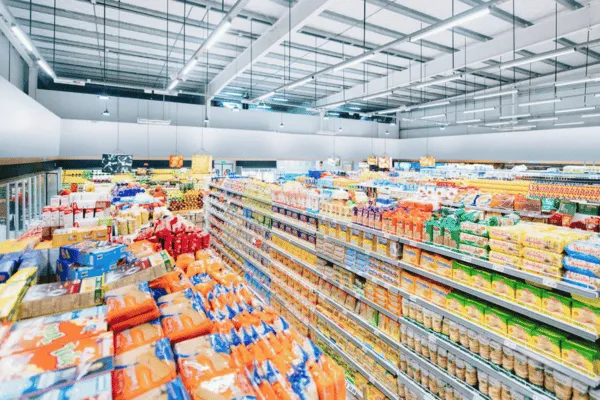
Food surplus is edible food that a business has produced, purchased or stored but no longer needs through its normal sales route. It can come from overproduction, cancelled orders, seasonal changes, retailer decisions, packaging changes or forecasting mistakes. For a food manufacturer, wholesaler or retailer, surplus does not automatically mean waste because the stock may still have commercial value. The challenge is finding a suitable route before storage costs rise or the product becomes harder to sell.
What Is the Difference Between Food Surplus and Food Waste?
Food surplus and food waste are closely connected, but they are not the same thing. Food surplus is stock that a business no longer needs or cannot sell through its original route, while food waste is food that is no longer going to be used for its intended purpose and enters a waste route. This distinction matters because suitable surplus food may still have a commercial or redistribution route. UK businesses should consider suitable options before sending food directly for disposal.
How Does Food Surplus Happen?
There is rarely one reason. A manufacturer might produce more units than expected, a wholesaler might receive a cancelled order, or a retailer might change its product range. Other common causes include production overruns, overstocking, seasonal demand changes, product discontinuation, packaging changes, rebranding, retailer delisting and slow-moving products. Surplus often develops gradually, which is why regular stock reviews are important.
What Types of Food Surplus Can Businesses Have?
Food surplus can cover almost every part of the commercial food supply chain. The right approach is to look at the stock itself rather than assuming certain products have no value. Frozen food, dry goods, ambient groceries, drinks, snacks, confectionery, ingredients and short-dated products can all become surplus depending on the circumstances.
Frozen Food Surplus
Frozen food surplus can include meat, poultry, seafood, vegetables, fruit, ready meals, bakery products and desserts. Freezer capacity can become expensive to manage when surplus stock continues occupying valuable space. If suitable frozen stock is no longer needed through the original sales route, a specialist buyer may be able to assess it.
[Internal Link: Frozen Food Surplus UK → /frozen-food-surplus-uk/]
Dry Goods and Ambient Food
Ambient food includes many products stored at room temperature under their specified conditions. Examples include rice, pasta, cereals, canned foods, sauces, snacks, tea, coffee and baking ingredients. A business may have large quantities sitting in storage because a customer cancelled an order, a product was replaced or demand changed.
[Internal Link: Dry Goods & Ambient Food UK → /dry-goods-ambient-food-uk/]
Short-Dated Food Stock
Short-dated stock has limited shelf life remaining before its relevant date. It can develop when products move more slowly than expected, a retailer rejects a delivery or a planned sales route disappears. The earlier a business identifies ageing inventory, the more options it may have.
[Internal Link: Short-Dated & Near-Expiry Stock UK → /short-dated-near-expiry-stock-uk/]
Why Do UK Businesses End Up With Surplus Food?
Forecasting is one of the biggest reasons. A business has to predict how much customers will buy before it knows the final demand, and that prediction will sometimes be wrong. A product may become less popular, a retailer may reduce an order, a customer may cancel a contract or a new product may replace an older one. Even successful businesses can end up with excess inventory.
Production Overruns
Manufacturers often work with planned production quantities. When demand changes, finished goods can remain after confirmed orders have been fulfilled. Those products may still be usable and commercially relevant, but the original customer route has disappeared.
Cancelled Orders
Cancelled orders can create an awkward inventory problem. The manufacturer may have already produced the food or the wholesaler may have already received it. The warehouse still needs to store the stock even though the expected buyer is no longer there.
Seasonal Demand
Food demand changes throughout the year. Products linked to Christmas, summer, holidays, sporting events or seasonal promotions can become difficult to move once the selling period passes. A product that sells quickly in one month can become surplus only a few weeks later, so timing matters when managing excess food stock.
Packaging Changes
A brand may update its packaging without changing the underlying product. The previous packaging can then become difficult to sell through standard retail channels, but that does not automatically mean the product has no value. It may simply need a different commercial route.
What Can Businesses Do With Surplus Food?
Businesses have several possible options, and the right route depends on the product, condition, date, quantity and applicable requirements. If an existing customer can still take the stock, this may be the simplest solution. A specialist food stock buyer may also be able to assess inventory that no longer fits the seller’s normal customer base. Suitable surplus may have redistribution options, while food that is unsafe or legally unsuitable should be handled through an appropriate waste route.
How Can Selling Surplus Food Help a Business?
Surplus food ties up more than the product itself because it also occupies warehouse space and working capital. Selling suitable stock can potentially help a business recover some value, free warehouse capacity, reduce stock holding pressure, move slow-moving products and manage cancelled orders. It can also help reduce unnecessary food waste and make warehouse inventory easier to manage.
What Information Does a Food Buyer Need?
A good stock enquiry does not need to be complicated. Include product names, brands where relevant, quantities, cases, pallets, best-before or use-by dates, batch information, packaging condition and warehouse location. If there are multiple products, list them separately so the buyer can understand exactly what is available.
Product Information
Include the exact product names and brands where relevant. Clear product descriptions make it easier to assess the stock without unnecessary follow-up questions.
Quantity and Pallet Details
Provide cases, units and pallet quantities where possible. A buyer needs to understand whether the stock represents a few cases or a larger commercial load.
Date Information
Include best-before or use-by dates. This is particularly important for short-dated food because the date can affect the available commercial options.
Batch Information
Batch or lot information can help with stock identification and traceability. Include it where available.
Warehouse Location
The location matters because collection and transport can affect the practicality of a transaction. Include the warehouse or collection location with the stock details.
Best Before vs Use By for Surplus Food
This is one area where businesses should never guess. A best-before date mainly relates to quality, while a use-by date relates to safety. Businesses should identify the date correctly before offering stock for sale and should never treat food past its use-by date as ordinary saleable inventory.
When Should a Business Sell Surplus Food?
There is no universal deadline, but waiting until stock becomes extremely difficult to sell is rarely the best strategy. The earlier a business identifies surplus, the more options it may have. This is especially true for short-dated products, where remaining shelf life can affect commercial flexibility.
How Does a Food Surplus Buyer Work?
The process can be straightforward. Start by sending product details, quantities, dates and the warehouse location, after which the stock can be reviewed to establish whether it is suitable. If there is a potential commercial opportunity, the value and terms can be discussed before collection or transfer arrangements are made.
Step 1: Send Your Stock Details
Provide product names, quantities, dates, pallet information and location. Include packaging and batch details where available.
Step 2: Stock Assessment
The available information is reviewed to understand the type, quantity and condition of the stock.
Step 3: Commercial Discussion
If the stock is suitable, its potential commercial value can be discussed.
Step 4: Agree the Purchase
The products and agreed terms are confirmed before the stock moves.
Step 5: Collection or Transfer
Suitable logistics are arranged according to the stock and location.
Frequently Asked Questions
What is food surplus?
Food surplus is edible food that a business has more of than it currently needs or can sell through its normal channels. It can come from overproduction, cancelled orders, seasonal changes, product discontinuation or overstocking. Suitable food may still have commercial or redistribution options depending on its condition, date, packaging and applicable requirements.
Who buys surplus food in the UK?
Surplus food can be considered by specialist food buyers, wholesalers, clearance businesses and commercial marketplaces. The suitable route depends on the product category, quantity, date and location. Businesses should provide accurate stock details rather than assuming that surplus inventory has no value.
What types of surplus food can businesses sell?
Businesses can have surplus frozen food, ambient groceries, dry goods, drinks, snacks, confectionery, ingredients and other commercial food products. The suitability of each batch depends on its condition, packaging, quantity, date information and storage.
Can manufacturers sell excess food stock?
Manufacturers can explore commercial routes for suitable excess stock. Production overruns, cancelled orders, packaging changes and product discontinuations can all create surplus inventory. The manufacturer should provide product information, quantities, dates, packaging details and location.
Can I sell food overstock by the pallet?
Palletised food overstock can be submitted for consideration. The buyer will usually need to understand what is on the pallets, how many pallets are available and what dates apply. Mixed pallets should be listed clearly along with product condition and storage information.
Can short-dated food be sold?
Suitable short-dated food can potentially be sold while it remains legally safe and suitable. The date type is important because food past its use-by date cannot be sold, while suitable food beyond its best-before date can have different commercial options.