
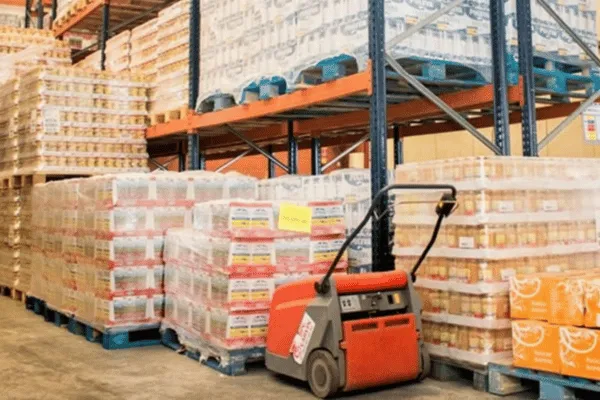
Surplus dry goods can look harmless when they are stacked neatly on warehouse pallets. The problem appears later when the stock continues occupying space, working capital remains tied up and product dates move closer. For manufacturers, wholesalers and retailers, the answer is usually not to panic but to identify what you have, why it became surplus and how quickly it needs to move.
What Is Ambient Food Stock?
Ambient food is generally stored at room temperature under the conditions specified for the product. It covers a large part of the grocery market, including canned food, pasta, rice, cereals, sauces, snacks, tea, coffee and baking ingredients. Businesses should always follow the storage instructions for each product and monitor dates, packaging and stock condition.
What Are Dry Goods?
Dry goods are generally products with relatively low moisture content that can be stored under suitable ambient conditions. Examples include rice, pasta, flour, grains and dried ingredients. Businesses should still follow the manufacturer’s storage instructions and monitor dates and packaging.
What Are Shelf-Stable Foods?
Shelf-stable foods are products designed to remain suitable for storage without chilled or frozen conditions when stored correctly. Packaging and storage instructions still matter, so a product being ambient does not mean it can simply be stored anywhere.
Why Do Businesses Have Surplus Dry Goods?
Surplus often develops because the original sales forecast changed. A wholesaler may have ordered based on previous demand, a manufacturer may have produced against expected customer orders, or a retailer may have changed its product range. Over time, what started as ordinary inventory can become a storage and cash-flow problem.
Overproduction
Manufacturers can produce more units than customers eventually require. That creates finished inventory without a confirmed sales route, even though the products may still be commercially useful.
Cancelled Orders
Cancelled orders are particularly frustrating because the food may already be packed and sitting in a warehouse. The seller now needs another suitable route for inventory that was originally intended for a specific customer.
Packaging Changes
A packaging redesign can make older stock difficult to place through normal retail channels. The product may still be commercially useful but may require a different sales route.
Rebranding
A brand change can leave older packaging behind. This can create surplus even when the underlying product has not changed.
Slow-Moving Products
Some products simply sell slower than expected. If the sales rate continues falling, inventory can quietly build while warehouse space and working capital remain tied up.
What Types of Dry Goods Can Become Surplus?
Ambient food covers many product categories. Rice, pasta, grains, canned food, cereals, snacks, confectionery, sauces, oils, flour, baking ingredients, tea, coffee and shelf-stable drinks can all become surplus depending on demand, production and customer requirements.
Rice, Pasta and Grains
These products can be stored in significant quantities. Surplus can result from large wholesale orders, production changes or cancelled contracts.
Canned and Tinned Food
Canned vegetables, fruit, beans, soups and prepared foods are common ambient products. A warehouse can quickly accumulate pallets when demand falls.
Cereals and Breakfast Products
Cereal, oats, granola and breakfast products can become surplus after seasonal promotions, customer changes or product range updates.
Snacks and Confectionery
Biscuits, crisps, sweets, chocolate and other snacks can become excess stock after promotions end. Packaging or range changes can also create surplus.
Sauces and Condiments
Sauces, oils, vinegar and condiments can be affected by product launches, packaging changes and range updates. Accurate product information is useful when preparing these products for clearance.
Flour and Baking Ingredients
Flour, sugar, spices and baking mixes can create substantial stock quantities for manufacturers and wholesalers. Storage requirements and product dates should be clearly recorded.
Tea, Coffee and Ambient Drinks
Tea, coffee, hot chocolate and shelf-stable beverages can also enter clearance channels. The relevant dates and storage requirements should be documented clearly.
Why Is Ambient Overstock a Problem?
Warehouse space has a cost, and even if the product itself is not expensive, the space it occupies can become valuable. Money tied up in slow-moving stock cannot easily be used elsewhere, while ageing inventory may have fewer sales opportunities. Clearing suitable surplus can therefore help businesses improve warehouse capacity and inventory control.
What Can You Do With Surplus Ambient Food?
There is no single route for every business. If existing customers can take the stock, this may be the simplest option, while specialist buyers may consider suitable overstock, cancelled orders, production surplus and other commercial inventory. Suitable food may also have redistribution options, while food that is unsafe or otherwise unsuitable should be handled through an appropriate waste route.
How Should You Prepare Ambient Food Stock for Clearance?
A buyer needs to understand exactly what is available. Prepare product names, brands, quantities, cases, pallets, relevant dates, packaging condition, batch information where available and warehouse location. If there are several products, list each product line separately so the stock can be assessed accurately.
Product and Brand Details
Give the exact product name and include brand information where relevant. If there are several products, separate them into individual product lines.
Quantity and Pallets
List cases, units and pallets. If you have mixed products, separate them by product line.
Best-Before Dates
Record the relevant date for each product. This becomes particularly important when stock is approaching its best-before date.
Packaging Condition
State whether cartons or individual packs are damaged. Honest information makes the review easier.
Batch Information
Include batch or lot details where available. This can help with stock identification and traceability.
Warehouse Location
Provide the collection location. This helps establish practical logistics.
Can Food Past Its Best-Before Date Be Sold?
Potentially, yes. Best-before dates mainly relate to quality rather than safety, but businesses still need to make sure the food remains safe and suitable. The distinction is particularly relevant to ambient food because many products carry best-before dates, so businesses should identify the date correctly and follow applicable requirements.
When Should You Clear Ambient Overstock?
The best time is usually before the inventory becomes urgent. Watch for falling sales, increasing stock levels, retailer changes, packaging replacement, product discontinuation, approaching dates and limited warehouse space. Waiting until stock has almost reached its relevant date can reduce the number of commercial options.
How Does Ambient Food Stock Clearance Work?
The process can be straightforward. Start by preparing products, quantities, dates and location, then provide the information for review. If there is a potential commercial opportunity, the value and terms can be discussed before collection or transfer.
Step 1: Prepare the Stock List
List products, quantities, dates and location. Keep different products separate.
Step 2: Submit the Details
Provide the stock information for review and include relevant packaging or batch details.
Step 3: Discuss the Commercial Value
Suitable inventory can then be assessed. The potential value depends on the individual stock.
Step 4: Agree the Purchase
Confirm the products and commercial terms. Make sure the stock details match the agreed inventory.
Step 5: Arrange the Transfer
Collection or other logistics can be organised according to the stock and location.
How Can Businesses Reduce Ambient Overstock?
The answer starts with better stock visibility. Review sales velocity, purchase quantities, customer commitments, seasonal demand, product dates, slow-moving products and warehouse capacity. A monthly inventory review can help, while products with shorter shelf life may benefit from more frequent checks.
How Can a Business Sell Surplus Dry Goods?
Start by creating a clear inventory list containing the product name, quantity, packaging details, date and warehouse location. Then identify why the stock is surplus, whether from overproduction, a cancelled order, packaging changes or slow sales. Once the stock is documented, a commercial dry goods buyer can assess whether the inventory is suitable.
[Internal Link: Dry Goods & Ambient Food UK → /dry-goods-ambient-food-uk/]
What Should You Do With Slow-Moving Grocery Stock?
Slow-moving stock should not simply be ignored. Review its sales history and remaining shelf life to understand whether the product is likely to move through the normal sales channel. If demand has dropped significantly, consider whether the stock should remain in the normal sales channel or whether an alternative commercial route should be explored before it becomes short-dated.
[Internal Link: Short-Dated & Near-Expiry Stock → /short-dated-near-expiry-stock-uk/]
Frequently Asked Questions
What is ambient food?
Ambient food is food that can generally be stored at room temperature under the storage conditions specified by the manufacturer. Common examples include rice, pasta, canned food, cereals, sauces, snacks, tea and coffee. Storage instructions still need to be followed.
What are dry goods?
Dry goods are generally food products that can be stored under suitable ambient conditions and often contain relatively little moisture. Common examples include rice, pasta, flour, grains and dried ingredients.
Who buys surplus dry goods?
Surplus dry goods can be considered by specialist food buyers, wholesalers, clearance businesses and commercial marketplaces. The buyer will usually need to know what products are available, how much stock exists, what dates apply and where it is stored.
Can I sell surplus rice and pasta?
Rice and pasta can be submitted as surplus stock when a business has more inventory than it needs. Provide product descriptions, quantities, packaging details, dates and location so the stock can be assessed properly.
Can I sell canned food surplus?
Canned food surplus can potentially be considered when the products remain suitable and legally saleable. Useful information includes product names, quantities, dates, packaging condition, batch information and location.
Can I sell food by the pallet?
Palletised food can be submitted for commercial consideration. Provide the number of pallets and explain what products are included, along with case counts, dates, packaging details and warehouse location.
Can I sell short-dated ambient food?
Suitable short-dated ambient food can potentially be sold while it remains legally safe and suitable. Best-before and use-by dates have different implications, so businesses should clearly identify the relevant date.
What information does a buyer need?
Start with product names, quantities, pallet counts, dates, batch information, packaging condition and warehouse location. If the stock is mixed, provide separate product lines so the buyer can understand exactly what is available.