
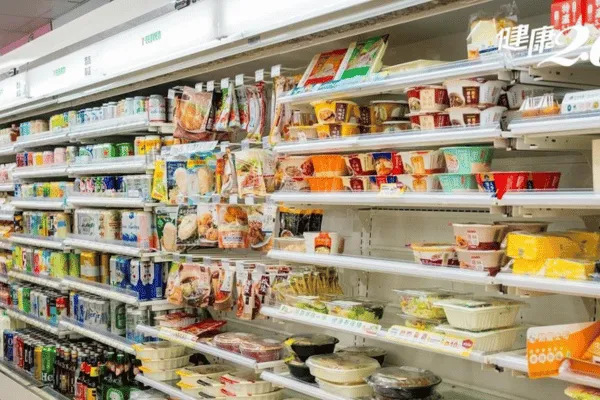
Short-dated food stock is easier to manage when you identify it early. The problem starts when inventory gets older but nobody takes ownership of it. A product can sit quietly on a pallet while its commercial options shrink, so manufacturers, wholesalers and retailers should identify ageing stock early, understand its date and find the most suitable route while options still exist.
What Is Short-Dated Food Stock?
Short-dated food stock is inventory with limited shelf life remaining before its relevant date. There is no single number of days that defines every short-dated product because the meaning depends on its category, normal sales cycle, buyer requirements and remaining shelf life. The important detail is the actual date.
Short-Dated vs Near-Expiry Stock
The terms are often used together. Short-dated usually describes stock with limited remaining shelf life, while near-expiry suggests the relevant date is approaching closely. Neither term automatically means that food is unsafe because the product date and applicable food safety requirements determine what can happen next.
Why Does Remaining Shelf Life Matter?
Time affects commercial flexibility. A product with several months remaining may have many possible sales routes, while the same product with only a few days remaining can be much harder to move. This is why early identification matters.
Why Does Food Stock Become Short-Dated?
Short-dated stock can develop for many reasons, with the original problem often related to demand, production or changes in the supply chain. Overstock, production overruns, cancelled orders, slow sales, retailer rejection, packaging changes and product discontinuation can all leave food ageing in storage.
Overstock
A business may simply hold too much inventory because sales do not match the original forecast. The stock remains in storage while the remaining shelf life continues to decrease.
Production Overruns
A manufacturer may produce more than confirmed demand requires. The excess then sits in finished goods storage and becomes older over time.
Cancelled Orders
A customer cancellation can leave a completed batch without its planned destination. The business must then find another suitable route before the stock becomes too old.
Slow Sales
Some products simply move more slowly than expected. The stock keeps ageing even though the sales team may still consider it active inventory.
Retailer Rejection
A retailer may reject a delivery because the remaining shelf life no longer meets its requirements. The product may still have another commercial route.
Packaging Changes
A packaging redesign can make existing inventory harder to sell through normal channels. The underlying product may still have value.
Product Discontinuation
A discontinued product may remain in the warehouse after the normal sales route closes. Without another route, the remaining inventory continues ageing.
What Problems Can Short-Dated Stock Cause?
The first problem is financial because working capital remains tied up in inventory that is not being converted back into sales. The second problem is warehouse space, while the third is urgency because fewer options may remain as the relevant date approaches. If suitable surplus cannot be moved in time, it may eventually become waste.
Financial Write-Off Risk
When stock can no longer be sold through its intended route, its value can fall sharply. That is why short-dated inventory should be monitored rather than ignored.
Warehouse Space
A pallet of ageing stock still occupies the same physical space as a fast-moving pallet. The difference is that one may generate sales more reliably.
Working Capital
Inventory represents money already spent. If it remains unsold, that capital is not being recovered.
Reduced Sales Options
A shorter shelf life can make normal customers less willing to accept the stock. This is particularly important in supply chains with strict remaining shelf life requirements.
Food Waste Risk
If suitable surplus cannot be moved in time, it may eventually become waste. Businesses should therefore identify suitable routes while the stock remains legally and commercially suitable.
How Can Businesses Identify Short-Dated Stock Early?
Good inventory control does not need to be complicated. The key is visibility, so businesses should track dates, sales velocity, stock levels and slow-moving products together. This helps identify ageing inventory before it becomes an urgent problem.
Track Batch Dates
Record the relevant date against each batch. Do not rely on memory or assumptions.
Review Remaining Shelf Life
Sort stock according to how much time remains. This makes ageing inventory easier to see.
Use FEFO Where Appropriate
FEFO means First Expired, First Out. It prioritises products with the earliest relevant date and can be more useful than relying only on FIFO when products have different dates.
Flag Ageing Inventory
Create a simple internal warning system. Products can be flagged when they enter a predefined ageing window that suits the product category.
Review Slow-Moving Products
Sales velocity matters. A product selling slowly should receive more attention than a product that moves consistently.
What Can You Do With Short-Dated Food Stock?
The right option depends on the product and its remaining shelf life. If existing customers can accept the stock, accelerating normal sales may be the quickest solution, while a specialist buyer may consider inventory that no longer fits the usual sales route. Where food remains suitable, redistribution may also be an option, while unsafe or legally unsuitable food must not be sold as ordinary stock.
[Internal Link: Short-Dated & Near-Expiry Stock UK → /short-dated-near-expiry-stock-uk/]
Accelerate Existing Sales
If your current customers can accept the stock, this may be the quickest solution. The product can remain within the existing commercial relationship.
Use Alternative Commercial Channels
A specialist buyer may consider inventory that no longer fits your usual sales route. This can be useful for suitable short-dated food and other surplus FMCG stock.
Explore Suitable Redistribution
Where food remains suitable, redistribution can be another route. Businesses should consider suitable higher-value options before disposal.
Use Appropriate Waste Routes
Food that is unsafe or legally unsuitable must not be sold as ordinary stock. The distinction becomes especially important when products carry use-by dates.
Best-Before vs Use-By: What Businesses Need to Know
Date marking is one of the most important parts of short-dated stock management. A best-before date mainly concerns quality, while a use-by date relates to safety, so businesses should never treat every date in the same way. GOV.UK guidance states that food past its use-by date must not be sold, while suitable food beyond a best-before date can have different options when it remains safe and suitable.
Best-Before Dates
Best-before dates relate mainly to quality. Food beyond a best-before date is not automatically unsafe, but businesses should still make sure it remains safe and suitable before considering any sale or redistribution.
Use-By Dates
Use-by dates relate to safety. Food past its use-by date must not be sold, making use-by stock fundamentally different from suitable best-before stock.
Why Businesses Must Keep the Two Separate
Confusing the two dates can create serious food safety and compliance problems. A stock spreadsheet should therefore record the actual date type rather than using one generic column labelled “expiry”.
How Can You Prepare Short-Dated Stock for Sale?
A clear stock list can make the process much easier. Include product names, brands, SKU where available, quantities, cases, pallets, relevant dates, batch information, packaging condition, storage information and collection location. If there are several products, keep each product line separate.
Product Details
Give the exact product name and brand where relevant. Include SKU information where available.
Remaining Shelf Life
State the actual date. Avoid vague descriptions such as “nearly expired”.
Quantity
List units, cases and pallets. If there are several products, keep each product line separate.
Packaging
Explain any damage or packaging changes. Honest information makes the assessment easier.
Batch Information
Provide batch or lot information where available. This can help with identification and traceability.
Storage Conditions
Explain how the stock has been stored. This is particularly important for products with specific storage requirements.
Collection Location
Provide the warehouse or collection area. Location can affect collection and logistics.
When Should You Contact a Short-Dated Stock Buyer?
There is no universal day count. The better question is whether the remaining shelf life is becoming shorter than your normal sales cycle. If your standard customer needs several weeks to approve and receive a product, waiting until the final week creates unnecessary pressure, while contacting a buyer earlier gives the stock more time to be assessed.
How Does Short-Dated Stock Clearance Work?
The process can be simple. Start by providing the product list, quantities, dates and location, after which the stock can be assessed based on product type and remaining shelf life. If suitable, the commercial value and terms can be discussed before collection or transfer.
1. Send the Stock Details
Provide the product list, quantities, dates and location. Include batch and packaging information where available.
2. Review the Inventory
The stock can be assessed based on its product type, quantity and remaining shelf life. This helps establish whether it may be suitable.
3. Discuss the Valuation
Suitable stock can then be discussed commercially. The value depends on the individual inventory.
4. Agree the Terms
Confirm the products and agreed arrangements. Make sure the final stock details are clear.
5. Arrange Collection
Collection or transfer depends on the stock and location. Suitable logistics can then be organised.
How Can Businesses Reduce Food Stock Write-Offs?
Prevention starts long before a product becomes short-dated. Businesses should monitor demand, stock levels and dates together, while regular reviews can identify products selling below forecast, batches approaching their date, excess production, cancelled orders, slow-moving products and discontinued lines. The key is to make ageing stock part of the regular inventory conversation instead of waiting until it becomes an emergency.
What Should You Include in a Short-Dated Stock List?
A good stock list should give a buyer a clear picture without requiring several follow-up emails. Include the product name, brand, SKU where available, quantity, case count, pallet count, date, batch or lot number, packaging condition and storage location. If the stock contains several product lines, list each one separately so the most urgent inventory can be identified quickly.
[Internal Link: Frozen Food Surplus UK → /frozen-food-surplus-uk/]
[Internal Link: Dry Goods & Ambient Food UK → /dry-goods-ambient-food-uk/]
Frequently Asked Questions
What is short-dated food stock?
Short-dated food stock is food with limited remaining shelf life before its relevant date. There is no universal number of days that defines short-dated stock because the practical meaning depends on the product, sales cycle, buyer requirements and remaining shelf life.
How short is short-dated food?
There is no fixed number of days that applies to every food product. A product with thirty days remaining may be short-dated in one supply chain but normal in another, depending on the product, customer requirements and sales cycle.
Can short-dated food still be sold?
Suitable short-dated food can potentially be sold while it remains safe and legally suitable. The date type is critical because food past its use-by date cannot be sold, while suitable best-before products can have different options.
What is the difference between short-dated and near-expiry?
Short-dated generally means a product has limited remaining shelf life. Near-expiry suggests that the relevant date is particularly close. Neither term creates a universal legal threshold, so businesses should focus on the actual date and applicable requirements.
Can I sell short-dated frozen food?
Short-dated frozen food can potentially be considered while it remains safe and legally suitable. The product date, storage conditions, packaging, quantity and location all matter, so businesses should provide accurate information when submitting stock.
Can I sell short-dated ambient food?
Suitable short-dated ambient food can potentially be sold depending on its condition, date, packaging and applicable requirements. Common categories include canned food, cereals, pasta, rice, snacks and sauces.
How can businesses avoid food stock write-offs?
The best approach is early visibility. Track stock levels, sales velocity and dates together, flag slow-moving batches before they become urgent, and review cancelled orders and production overruns quickly.
What information does a short-dated stock buyer need?
A buyer generally needs product names, quantities, pallet or case counts, relevant dates, batch information, packaging condition and location. Storage information can also be useful, particularly for products with specific storage requirements.
Can food past its best-before date be sold?
Suitable food past its best-before date can potentially be sold if it remains safe and suitable. Best-before dates concern quality rather than safety, but businesses should still assess the food and follow applicable requirements.
Can food past its use-by date be sold?
No. Food past its use-by date must not be sold because use-by dates relate to food safety. Businesses should keep use-by stock clearly separated from products carrying best-before dates.
Can cancelled orders create short-dated stock?
Yes. A cancelled order can leave a manufacturer or wholesaler with finished food that was produced or purchased for a specific customer. If the stock remains in storage, its shelf life continues to decrease.
Do production overruns create short-dated stock?
They can. A production overrun may initially be ordinary surplus inventory, but if it remains unsold for long enough, it can become short-dated. This is why finished goods should be monitored regularly.
What happens to short-dated stock after a buyer purchases it?
The route depends on the product, date, condition and applicable requirements. Suitable stock may move through an alternative commercial channel or another appropriate route, while unsafe or legally unsuitable food should not be treated as normal saleable inventory.