Dry Goods & Ambient Food in the UK

If your warehouse is holding more dry goods or ambient food than you can comfortably sell, keeping the stock may become an unnecessary cost and operational headache. We Buy Food helps businesses explore options for surplus ambient inventory, including dry goods, packaged groceries, overstock and other shelf-stable food products. Send your stock details and we can review what you have and discuss a potential purchase.

Sell Dry Goods & Ambient Food Surplus

Ambient food can remain in storage for months while businesses wait for the right buyer or sales opportunity. Meanwhile, warehouse space stays occupied and stock becomes harder to manage as product lines change, orders are cancelled or demand slows.We Buy Food can review information about the available products and consider the commercial opportunity.

What Dry Goods & Ambient Food Do We Buy?

Dry goods and ambient food cover a broad part of the commercial grocery market. The products are generally shelf-stable, but the exact suitability of surplus depends on product condition, packaging, date information, quantity and other relevant factors.

Rice, Pasta & Grains

Surplus rice, pasta, noodles, couscous and other dry grocery staples can accumulate through over-ordering or changes in customer requirements. Provide product descriptions, quantities and date information when submitting these stock lines for review.

Canned & Tinned Foods

Canned vegetables, fruit, beans, soups and other packaged foods can occupy substantial warehouse space when they become slow-moving. If you have excess canned stock, provide a clear list of the products and quantities available.

Sauces, Condiments & Cooking Products

Ambient sauces, cooking products, oils, vinegars and condiments can be affected by packaging changes, new product launches and retailer decisions. Surplus stock can be reviewed according to its individual circumstances.

Cereals & Breakfast Products

Breakfast cereals, oats, granola and cereal bars are common ambient grocery products. If you have excess inventory from a cancelled order, seasonal change or production run, provide the available stock information for consideration.

Snacks & Confectionery

Biscuits, crisps, crackers, sweets, chocolate and other packaged snacks can create surplus when customer demand changes or product lines are replaced. The product date and packaging condition should be included with any enquiry.

Tea, Coffee & Hot Drinks

Tea, coffee, hot chocolate and other ambient drinks can be held in bulk by manufacturers, wholesalers and distributors. If stock is no longer required, provide the product, quantity and remaining shelf life.

Ambient Beverages

Shelf-stable drinks and other ambient beverages may include bottled products, juices and packaged soft drinks. Product type, packaging, quantity and date information should be supplied when asking for stock to be reviewed.

Baking & Pantry Ingredients

Flour, sugar, baking mixes, spices, seasonings and other pantry ingredients can become surplus after production changes or customer cancellations. These products can be listed individually so the stock can be assessed more accurately.

Who We Buy Ambient Food From?

Ambient surplus can arise at different points across the food supply chain. A manufacturer may have excess production, while a wholesaler may be left with stock after a customer changes an order.

Types of Ambient Stock We Buy

Ambient surplus can take several forms, and the reason the stock is available can be just as useful as the product itself.

Examples include:

Surplus ambient food Dry goods surplus Food overstock Wholesale clearance stock Liquidation stock Short-dated ambient food Best-before stock End-of-line products Discontinued products Cancelled customer orders Production overruns Packaging-change stock Seasonal food stock
When possible, explain why the stock became surplus. That context helps create a clearer picture of the opportunity.

How Our Ambient Food Buying Process Works

A straightforward stock review begins with accurate information. You don’t need to write a complicated report; a clear product list with quantities and dates is usually a much better starting point.

Send Your Stock List

List the products, brands where relevant, quantities, pallet or case counts, dates and stock location. Photographs can also help demonstrate packaging and product condition.

We Review the Inventory

The available information can be reviewed to understand the product mix, quantities, shelf life and other relevant factors. Different products may have different commercial considerations.

Receive a Valuation

Where the stock is suitable for consideration, its commercial value can be discussed. There isn’t a universal price for surplus food because each batch is different.

Agree the Purchase

If the proposed terms work for both sides, the stock details and purchase arrangements can be confirmed before the transfer is organised.

Arrange Collection

Collection or delivery arrangements depend on the quantity, location, packaging and agreed terms. The stock should remain appropriately stored and protected until the agreed transfer takes place.

Why Sell Your Ambient Food Surplus?
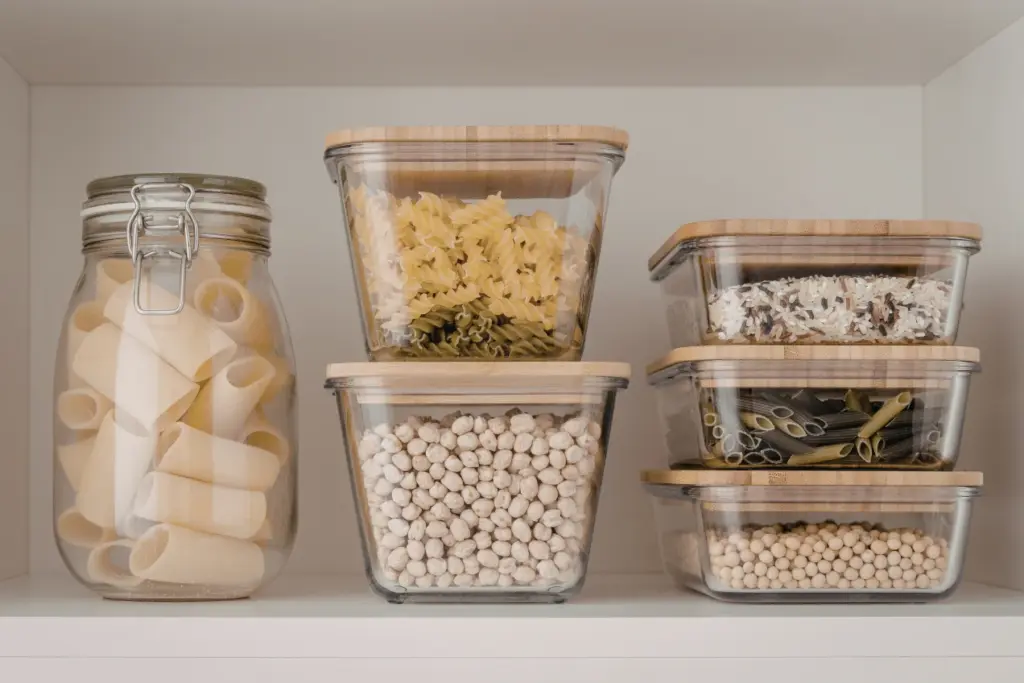
Surplus dry goods can occupy racks, pallets and warehouse floor space long after the original sales plan has changed. Selling suitable stock can help a business recover some value while creating room for products that are actually moving.
Recovering value from excess inventory Freeing warehouse space Reducing storage pressure Moving slow-selling products Clearing cancelled orders Managing production overruns Reducing unnecessary waste Improving inventory turnover
UK government guidance encourages businesses to prioritise preventing food waste and, where possible, redistributing suitable surplus before moving further down the waste hierarchy.

Ambient Food Stock & Best-Before Dates

Best-before dates are particularly relevant when dealing with dry goods and ambient food. Unlike a use-by date, a best-before date is primarily about quality rather than safety.

Food beyond its best-before date can potentially still be sold or redistributed if it remains safe and suitable. Businesses should still assess the product carefully and make sure it meets applicable food safety and labelling requirements.

When submitting ambient stock, include:

Best-before or use-by date

Product description

Quantity

Batch or lot information

Packaging condition

Storage information

Stock location

UK-Wide Ambient Food Buying

Ambient food moves through supply chains across the UK, from manufacturers and importers to wholesalers, retailers and foodservice businesses. Surplus can therefore arise in London, Manchester, Birmingham, Yorkshire, Scotland, Wales and other areas.

If you’re holding stock anywhere in the UK, provide the warehouse or collection location alongside the product information. This makes it easier to consider the practical logistics of moving the inventory.

Frequently Asked Questions

What are ambient foods?
Ambient foods are products that can generally be stored at room temperature under the storage conditions specified on the product. Common examples include rice, pasta, canned foods, sauces, cereals, biscuits, confectionery, tea and coffee. The exact storage requirements depend on the individual product, so businesses should always follow the manufacturer’s instructions and relevant food safety requirements.
Dry goods are generally packaged food products with low moisture content that can be stored under suitable ambient conditions. Examples include rice, pasta, flour, cereals, pulses, dried ingredients and some snacks. Dry goods can still have important date, packaging and storage requirements, so surplus stock should be reviewed according to its individual product information.
Potential categories include canned foods, pasta, rice, cereals, snacks, confectionery, sauces, cooking products, tea, coffee, baking ingredients and other shelf-stable grocery products. The actual suitability depends on the product, quantity, condition, packaging, dates and commercial circumstances. Providing a detailed stock list is the best way to start an assessment.
Surplus dry goods can be considered when a manufacturer, wholesaler, retailer or other food business has more stock than it currently needs. Overstock may result from cancelled orders, production overruns, seasonal changes or slow sales. Send the product details, quantities, dates and location so the stock can be reviewed.
Canned and tinned food can be included in a surplus stock enquiry. Useful information includes the exact product, brand, case quantity, total volume, date information, packaging condition and warehouse location. Canned products should be appropriately stored and must remain safe and suitable for sale or redistribution.
Short-dated ambient products can be reviewed, provided they remain legally suitable for sale and meet applicable food safety requirements. Best-before and use-by dates are treated differently in UK food guidance. Food cannot be sold after its use-by date, while suitable food beyond its best-before date can potentially still be sold.
Palletised food overstock can be submitted for consideration. Include the number of pallets, product categories, case quantities, date information and warehouse location. If there are mixed products, list them separately where possible. This makes the stock easier to understand and helps establish whether the quantity and product mix are commercially suitable.
Discontinued products can sometimes become valuable surplus because a manufacturer or retailer no longer has a normal sales route for them. Whether they are suitable depends on the product, packaging, date, quantity and market circumstances. Provide the available stock details rather than disposing of it before exploring possible commercial options.